From the president
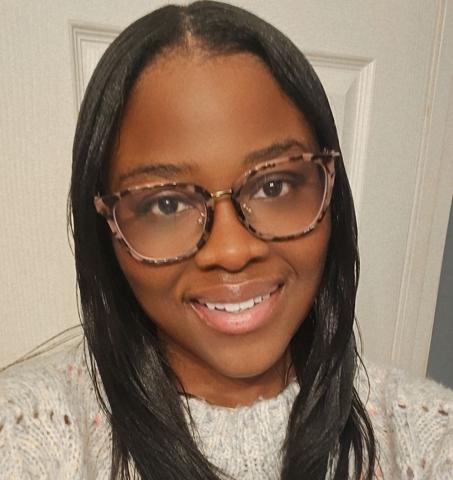
Dr. Kierra Hardy is a first-generation student pursuing her master's degree in counseling psychology at The Chicago School. She is passionate about community-based solutions to addiction and substance use disorders and conducts community intervention and outreach with Chicago’s Westside Heroin and Opioid Taskforce. Kierra earned her Ph.D. in Medical Sciences from the University of South Alabama and completed a postdoctoral fellowship at Harvard Medical School, where her experience included healthcare consulting. In addition to her studies in mental healthcare, she currently works at BECOME Center, a Chicago organization that fosters authentic grassroots community-based leadership.
A demonstrated changemaker, Kierra has a bright presence, a dedication to combating the stigma around addiction, and a deep biomedical expertise. She is committed to applying that scientific expertise towards compassionate care and fierce advocacy for people with addictions and their families. Kierra believes in harm reduction and a housing-first approach, and dreams of one day running a residential treatment center for folks in recovery. The Newman Civic Fellowship will leverage her existing knowledge on the scientific basis and community experiences of addiction, and route that knowledge towards long-term structural solutions.
Personal Statement
I have always been passionate about helping people become the best versions of themselves. This desire has led me to work with marginalized communities and challenge urgent social issues of our society such as mental health, access to healthcare, and housing insecurity. As a volunteer with the West Side Heroin/Opioid Task Force in Chicago, I directly engage with community members by educating on overdose prevention and distributing Narcan as well as connecting people with housing, employment, and recovery resources. In addition to addiction, many of the individuals I serve are navigating systemic issues such as homelessness, isolation, and barriers to mental health care. I do not believe access to safe shelter or healthcare services should be a barrier for anyone navigating addiction and mental health challenges. My long-term goal is to develop a tiny home community or turn abandoned buildings into safe, communal living spaces where these individuals not only have access to shelter but resources, a supportive network, and autonomy to help empower them and ultimately live healthier and happier lives. By working with community members, individuals with personal experience, healthcare partners, and policymakers, I believe these social issues can be met with creative, sustainable solutions for underserved populations.