Campus Compact is thrilled to announce the eight campuses that will take part in our new Student Co-Design Teams program from now until May 2027. The below Campus Compact member institutions will be awarded $5,000 in seed money to fund their student voice and leadership initiatives:
- Utah Valley University
- University of Virginia
- University of Pittsburgh
- University of Colorado Boulder
- University of Montana Western
- Pacific University
- Mercer University
- Bates College
Campus Compact knows student leadership and voice are central pillars to effective civic engagement work, campus culture, and community relationships, but we know too many barriers (time, money, support) prevent innovative ideas from staff and students about embedding student leadership and voice from coming to fruition. Campus Compact wants to change that.
Based on visioning from our Student Design Fellows cohort—a two-year fellowship designed to empower students and revolutionize civic leadership development—the Student Co-Design Team initiative was created to offer guidance for institutions that would like to implement student engagement strategies developed by student-led teams. Each Co-Design Team selected has at minimum a 1:1 student-to-staff/faculty ratio on their co-design teams, and students are the leaders and equal decision-makers alongside faculty, administration, and staff from the very start of the process.
"Campus Compact is thrilled to continue to elevate student voice on the national stage through our inaugural Student Co-Design Teams. Building off the proven Student Design Fellows model, these eight institutions are led by brilliant students and dedicated staff working as equal partners to invent, reimagine, or scale best practices in student voice and civic engagement," said Will Brummett, Director of Student Engagement. "These selected institutions reflect the institutional and regional diversity and perspectives that make Campus Compact strong. We are immensely proud to support these innovative teams as they create sustainable, student-led models that will impact our campuses and communities for years to come."
See below to meet each Student Co-Design Team's members and read more details about their projects. You'll also find short videos from a few teams explaining how this opportunity will help amplify student voice on campus and why they think student leadership and co-design processes are so important in this moment:
Utah Valley University | Co-Lab: A Cross-Campus Approach to Centralizing Student Voice Through Student-Designed Data Systems
Team members:
 Abbie Fisher
Student Leader
Vice President of Academics for UVUSA
 Kolton Pierson
Assistant Director
Student Leadership and Involvement
 Abigail Brown
Student Leader
Social Impact Fellow
 Gwen Martin
Student Leader
Social Impact Fellow
 Alexa Herrera
Student Leader
Civic Engagement Chair for UVUSA
 Sean Crossland
Assistant Professor
Higher Education Leadership
Project description:
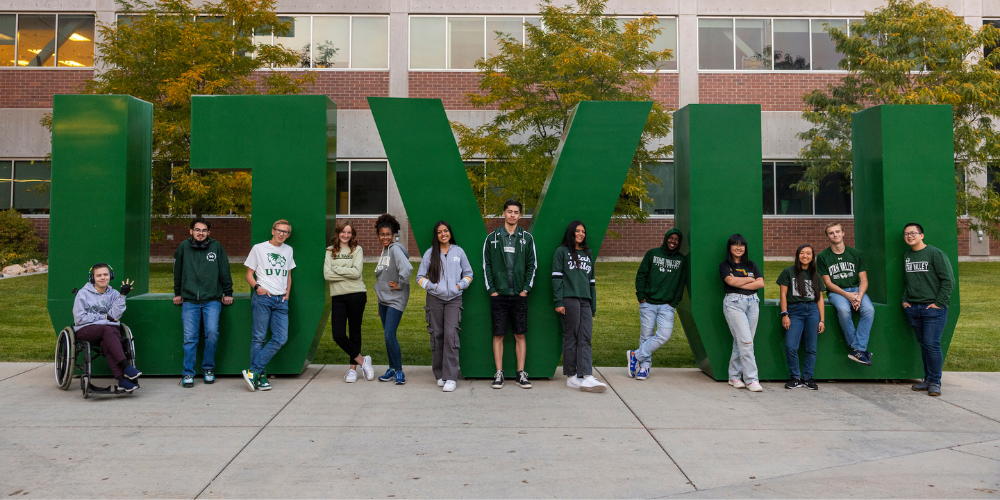 Utah Valley University (UVU) is working to strengthen student voice systems for its nearly 46,000 students by addressing fragmented feedback mechanisms, limited visibility and access to student input, and gaps in closing the feedback loop with students.
Through ‘Co-Lab’, a student-led initiative, a collaborative cross-campus team of students, faculty, and staff will develop centralized, student-designed data infrastructure to more effectively collect, analyze, and disseminate feedback. The project will pilot (*) the initial stages of a four-stage model— *1. Establishing procedural data foundations, *2. Expanding feedback infrastructure, 3. Sharing and reporting on analyzed insights, and 4. Closing the feedback loop with students—to enhance general, targeted, and policy-oriented student voice systems.
By embedding this work within existing leadership and shared governance structures, the initiative aims to increase student agency and ownership in the educational experience, improve institutional responsiveness, and create sustainable, transferable models for adoption at other institutions.
Amplifying student voice and uplifting student leadership:
University of Virginia | Walk With Honor, Lead to Serve: UVA’s Student-Driven Ethical Service Initiative
Team members:
 Coco Ahn
Chair
Public Service Advisory Board
 Mahir Parmar
Madison House Representative
Public Service Advisory Board
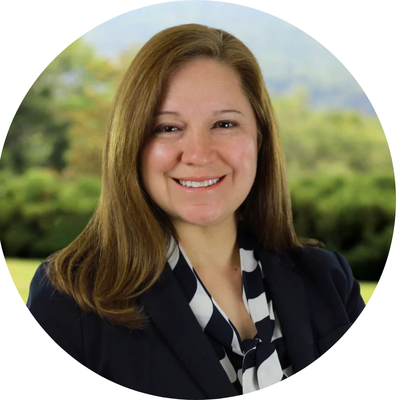 Mary Denlinger
Executive Director
Madison House
Project description:
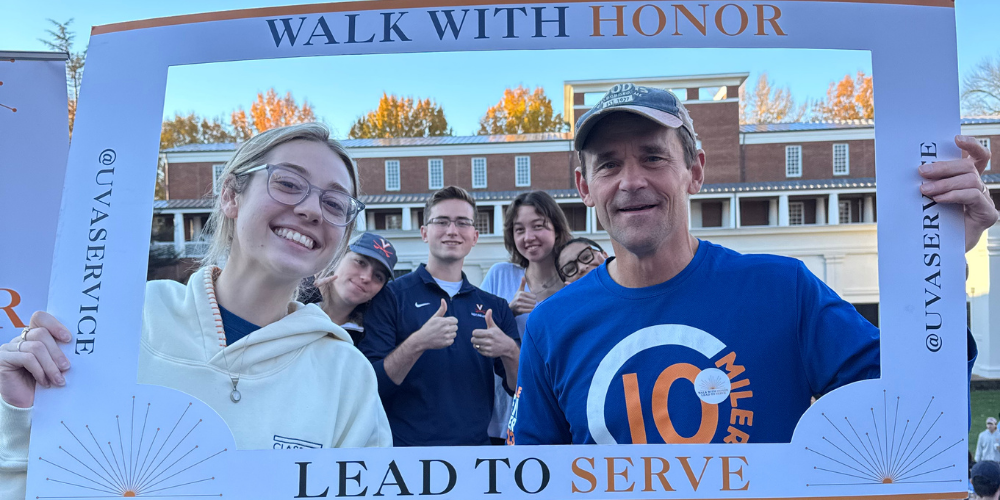 The Public Service Advisory Board at UVA is a student-led initiative working to strengthen ethical, community-engaged service across a large and decentralized university. Through the Student Co-Design Team process and resources, we aim to expand implementation of our Guidebook to Ethical Service, along with workshops, campaigns, and digital tools that help students engage thoughtfully with Charlottesville communities. Our team seeks to address barriers such as limited access to service opportunities, lack of centralized resources, and insufficient understanding of local historical context. By collaborating with faculty, staff, and community partners, we hope to build a more accessible, informed, and reflective culture of public service at UVA. Ultimately, we aim to empower students to approach service not as a resume-building activity, but as a lifelong, ethical commitment to community engagement.
Amplifying student voice and uplifting student leadership:
University of Pittsburgh | The Pitt Civic Collective
Team members:
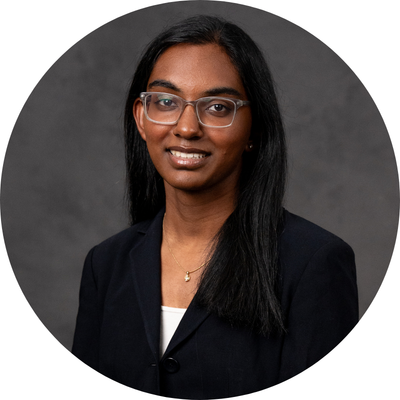 Shanthi Bhaskar
Student Leader
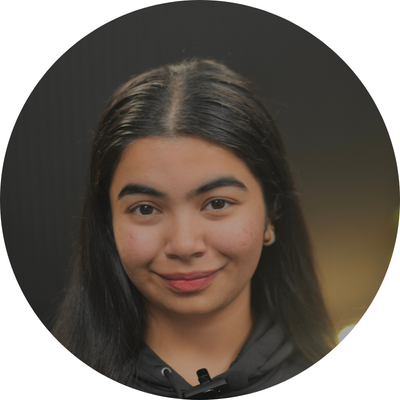 Arushi Chamaria
Student Leader
 Sadie Pollock
Student Engagement Coordinator
PittServes
 Justin Dandoy
Director of Community Affairs
Engagement and Community Affairs
Project description:
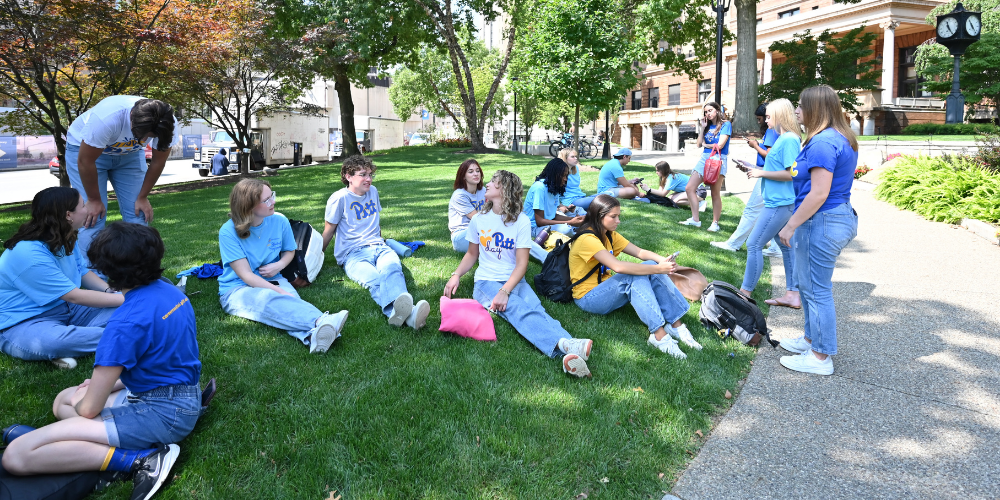 The Pitt Civic Collective is a jointly convened initiative of Student Government Board, the Office of PittServes, and the Office of Engagement and Community Affairs, that connects civic engagement student organizations to one another, to shared resources, and to the institutional offices that support their work. Our Co-Design Team is building the infrastructure for a sustainable, student-led connective layer across Pitt's civic engagement ecosystem — starting with a Civic Engagement Fellow position, a shared civic engagement calendar, and monthly coalition convening. The project addresses a fragmentation problem that has persisted for years: dozens of student organizations doing meaningful civic work in isolation, without a commons to collaborate or access support. Through a co-design process involving student leaders, SGB, and PittServes staff, we aim to create a model of shared governance that can eventually grow into a permanent civic engagement hub at Pitt.
Amplifying student voice and uplifting student leadership:
University of Colorado | Engaged Graduate Students: Mapping the Ecosystem and Developing Pathways
Team members:
 Danielle Aguilar
Student Leader
PhD Candidate, Education Foundations Policy and Practice
 Kasra Mirfattahi
Student Leader
PhD Candidate, Theatre and Performance Studies
 Kaila Red Bow
Student Leader
Masters Student, Environment
 Xiaodong Yan
Student Leader
PhD Candidate, Communication
 Lisa Schwartz
Program Director, Design and Implementation
 Anthony Pinter
Assistant Teaching Professor
ATLAS Institute
 Jacie Moriyama
Student Services Portfolio Manager
Project description:
 Currently, the landscape for supporting graduate students in the development of community-engaged research, teaching, and creative work is not well coordinated or understood across the CU Boulder campus. We will create a student-centered think tank to map the current landscape and collaboratively design a coordinated, community-engaged scholarship (CES) ecosystem for graduate students.
We will provide CU Boulder with a structured, student-centered approach to support graduate students in learning about and doing high-quality, equity-oriented community-engaged scholarship. The process will intentionally model equity-oriented partnership practices by positioning graduate students as co-creators and co-leaders in the work. Graduate student leaders will partner with faculty and staff to shape priorities, design pathways, and develop programming that reflects the context and perspectives of graduate students.
University of Montana Western | Co-Creating Shared Governance for the Land, Water, and Sky Center
Team members:
 Arica Crootof
Associate Professor
 Michelle Anderson
Student Leader
PhD Candidate, Theatre and Performance Studies
 Ted Montalvo
Student Leader
Masters Student, Environment
 Shayla Cluff
Student Leader
PhD Candidate, Communication
Project description:
 Our team will co-design a governance model for the Land, Water, and Sky (LWS) Center at the University of Montana Western that integrates undergraduate students into decision-making. With this funding, we are compensating student leaders to design pathways for student voices into curriculum, community partnerships, and Center priorities. We aim to offer a model of shared governance and lessons learned that can be adapted to other university centers, hubs, and institutes across the country. We feel these outcomes will be particularly relevant for public primarily undergraduate institutions (PUI’s) embedded in rural communities such as our own.
Pacific University | Centering Student Voice Through Times of Campus Change: Piloting a Transition Advisory Council
Team members:
 Stephanie Stokamer
Associate Dean
Applied & Experiential Learning
 Morgan Knapp
Program Manager
Applied & Experiential Learning
 Leilani James
Civic Action Team Specialist
 Kassandra Arzate Castaneda
Community Outreach Specialist
Project description:
 At Pacific University, we aim to design, pilot, and assess a student Transition Advisory Council that will provide direct student voice and leadership in community engagement during a time of considerable organizational change. As part of a university restructuring process, community engagement, experiential learning, and academic and career advising are coming together under an umbrella unit called the Pacific Opportunity Hub to foster students' sense of purpose and more intentionally create opportunities for experience in community settings. We plan to build student voice and leadership into operations of the Hub from the ground-up, starting with a student-led Transition Advisory Council to support the first year of operations and decision-making.
Mercer University | The Moments that Move Us
Team members:
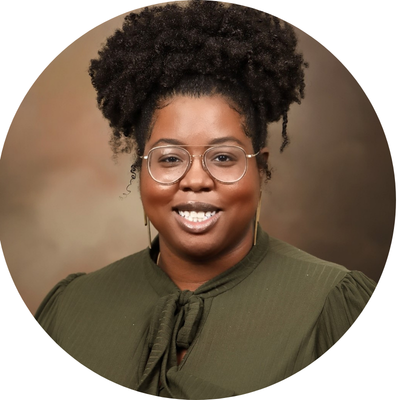 Lauren Shinholster
Associate Director
Engaged Learning
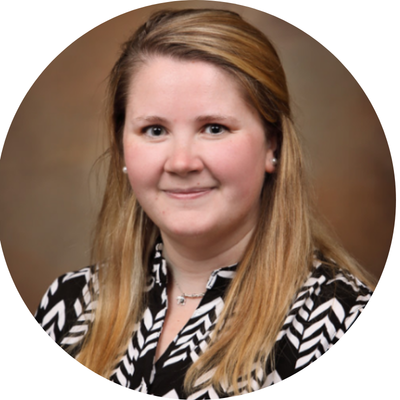 Margaret Rooyakkers
Assistant Director
Service and Civic Engagement
 Hannah Nabi
Lecturer
Department of Human-Centered Information Design & Technology
 Hope Bull
Student Leader
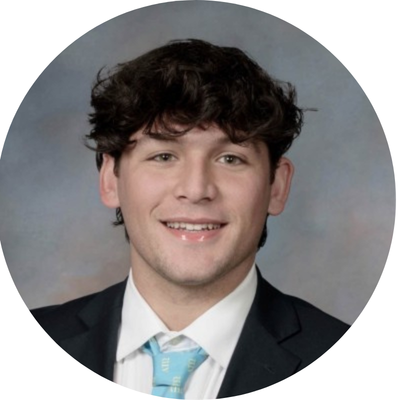 Ian Marcal Garcia
Student Leader
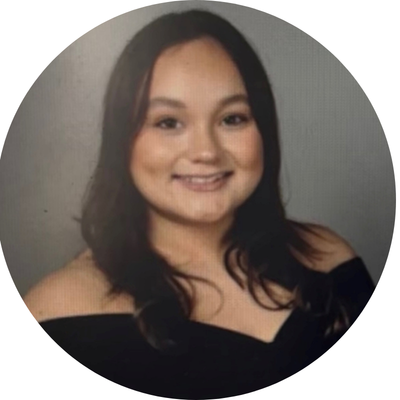 Sarah Tomanguilla
Student Leader
Project description:
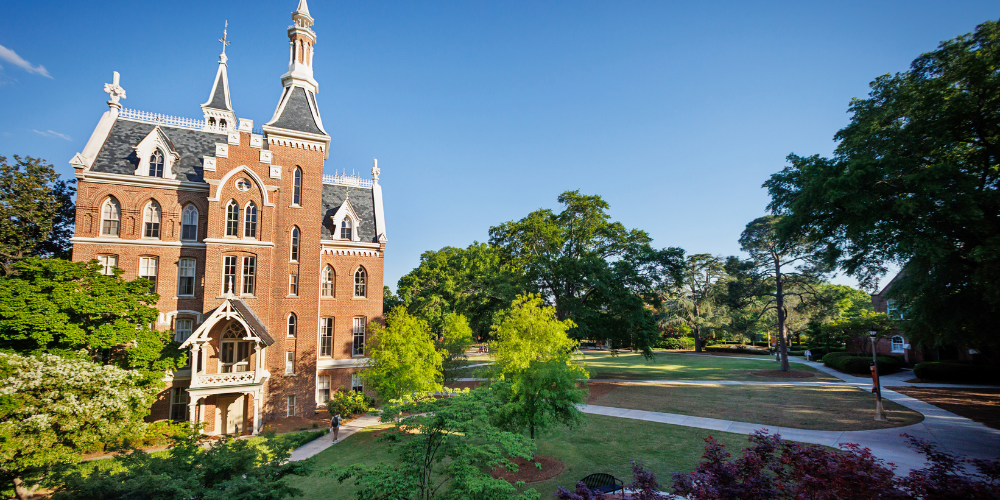 The Moments that Move Us: A Student Co-Design Initiative for Civic Activation builds on Mercer’s long-standing commitment to service and civic engagement by centering student insight into what motivates or inhibits civic action. Through a structured and collaborative research and design process, the Student Co-Design Team will explore how undergraduate students encounter civic information on campus, examine the barriers that limit civic participation, and design strategies that make civic engagement opportunities easier to notice, understand, and act upon.
Amplifying student voice and uplifting student leadership:
Bates College | Civic Culture Vibes Check
Team members:
 Jenna Vendil
Associate Director
Democratic Engagement + Student Activism
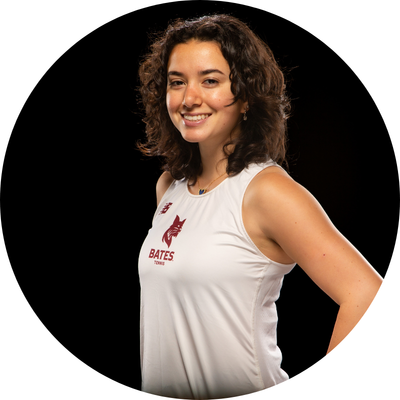 Ava Steinberger
Student Government Class Representative
Student Athlete, Bates Votes Co-Coordinator
 Erin Caswell
Assistant Director
Campus Life
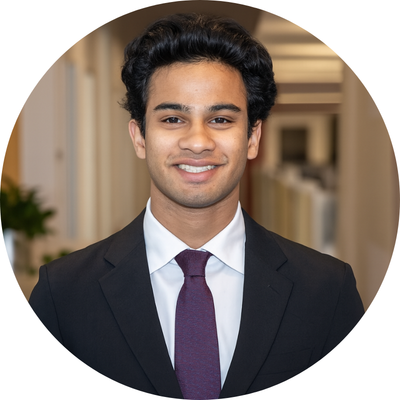 Karan Kuppa-Apte
Co-President
Bates Initiative for Government Studies
 Elena Maker Castro
Assistant Professor
Psychology
 Armin Sumansky
Bonner Leader
Kessler Scholar
Project description:
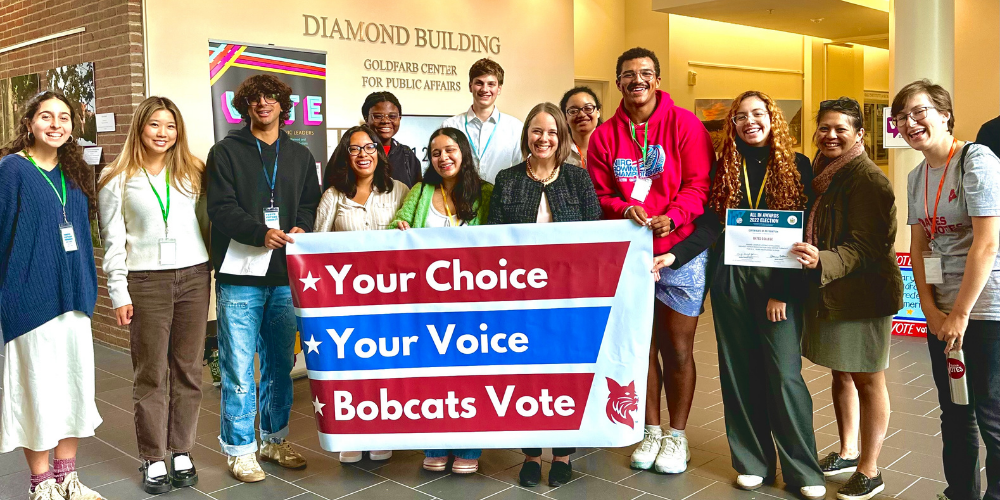 Our collective aspiration for this project is that students are equipped to better understand how to navigate civic participation on campus and in their own communities, have the confidence to identify resources needed to make informed decisions, and feel that their voice matters and has an impact. The co-design team will be responsible for creating or adapting an assessment tool to measure student civic agency, determine the methodology for data collection (whether through online survey, focus group, or analyzing indicators such as student participation in clubs, teams, co-curricular activities, or participation through voting in elections). Once baseline data is collected, the co-design team will pilot several strategies to strengthen student civic learning and agency in the fall, and reassess student civic engagement.
The eight selected campuses will be provided with Campus Compact staff support (Director, Student Engagement) and will attend monthly meetings with the other Co-Design Teams to share best practices, learn from each other, and capture shared insights.
Thanks to the support of Lumina Foundation, these selected Campus Compact institutions are now able to seed, grow, and launch similar student-voice initiatives on their campuses and create replicable models that can scale across our national network. Campus Compact's goal is to continue to expand student leadership and voice by growing the student-led design model across member campuses nationwide.
Learn more about the Student Co-Design Teams program: https://compact.org/current-programs/student-programming/student-co-design-teams