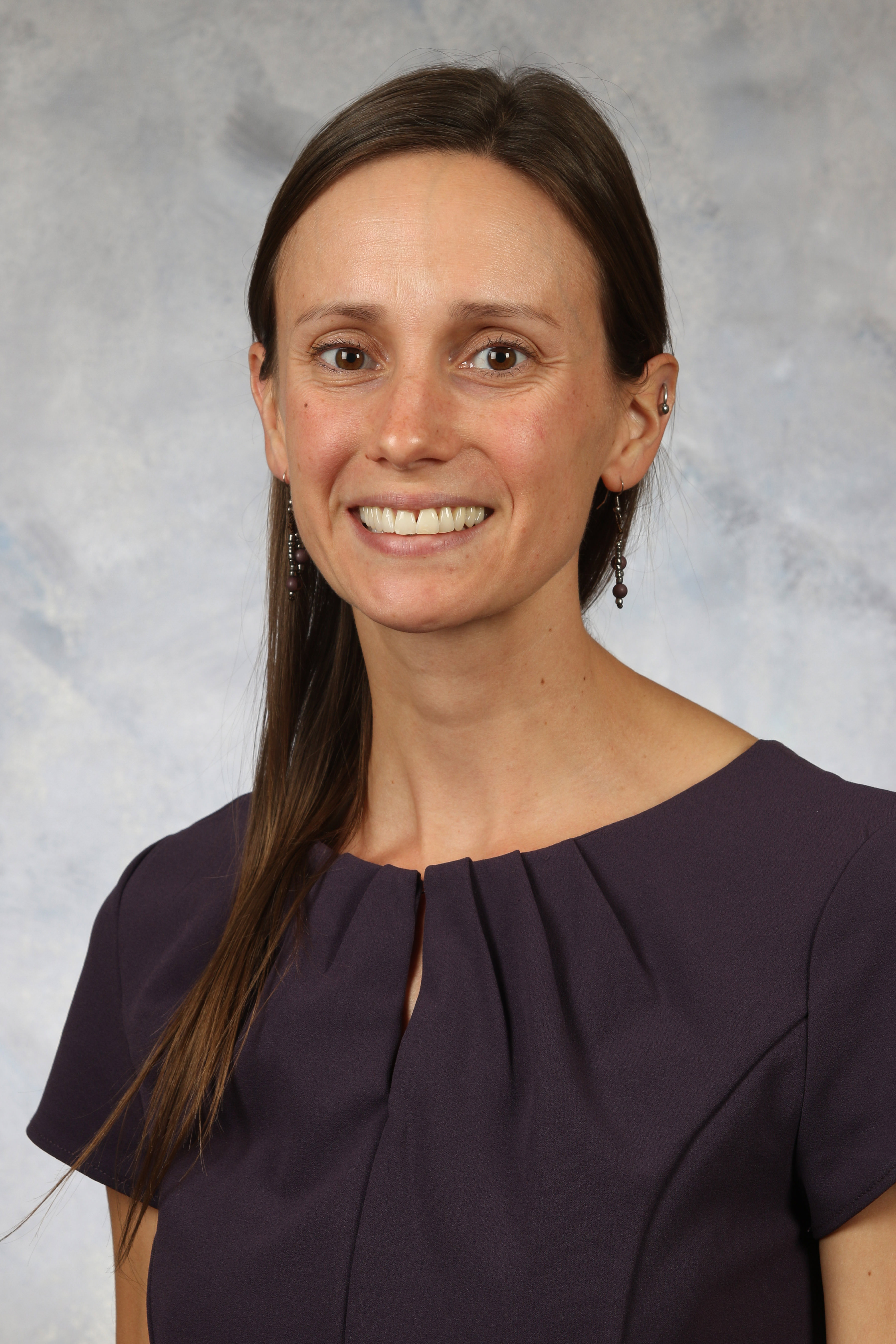
 By Sarah Elsey, Student Engagement Coordinator at Colorado College
Sarah Elsey is a Campus Compact Innovation Fellow and the recipient of a Lumina Foundation grant to take on projects and work meant to enhance the Newman Civic Fellowship program and support student civic development nationwide.
How might we better support our future fellows in finding a mentor for the Newman Civic Fellowship?
My project idea was to provide guidance for our Newman Fellow applicants on the mentor selection process and the expectations for their role as a mentee. Mentors can be staff or faculty or someone they know in the community. I also wanted to explore mentor mentee funding opportunities for off campus experiences. A former fellow shared that funding for research, outreach or other passion projects related to their fellowship, books, and other resources to support professional and civic development would have been helpful to have access to. Luckily, Campus Compact now offers community engagement mini-grants to Newman Fellows through an application process once they are in the program.
My grant process began by doing an internal website audit to see what information was missing about mentorship within the fellowship. Since our website is our main recruitment tool, it needed some work! After gathering information from other resources, I was able to build a more informative Newman Civic Fellow webpage for our campus about the mentorship component of the fellowship and the overall benefits.
Then I started to investigate what resources existed for students in higher education regarding how to choose a mentor and make the ask. I reached out to a leader in our field of higher education and former graduate school advisor of mine, Dr. Sylvia Mendez, to learn more about what resources there were on mentorship and she connected me to the National Mentoring Resource Center.
Resources from the National Mentoring Resource Center aided me in creating an electronic guide for students on choosing a mentor. This guide explores why mentorship matters, finding the right fit, how to make the ask, and how to maintain a productive reciprocal mentoring relationship.
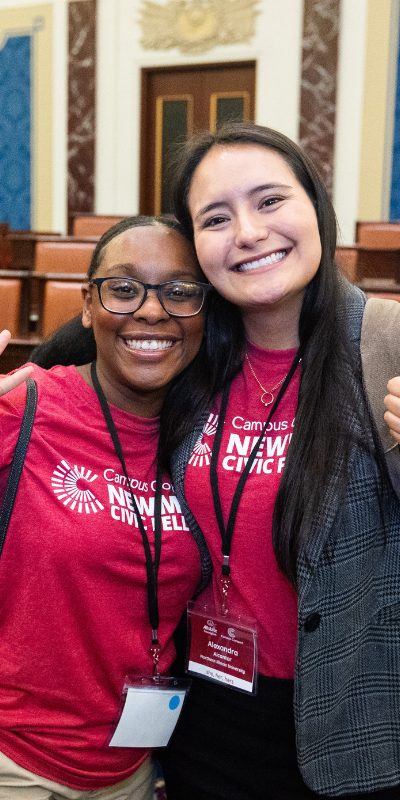 After working with our 2024-2025 Fellow to find a mentor, it became clear that students still may not feel comfortable making the ask to enter a mentoring relationship. Feedback from our Fellows was that it felt intimidating, people are busy and asking professionals to add one more thing to add to their plate is hard to do. This uncomfortable feeling relates to what Jonathan Haidt writes about in his book The Anxious Generation. Haidt observes that Gen Z’s formative years are highly influenced by social media and smartphones which changed how young people experience friendships, conflict and self-esteem. In this case, I needed to provide more support in making the ask.
Our Fellow and I ended up working together to craft an email that explained the fellowship, the benefits, and the role of the mentor. Then we set up an introductory meeting to explore this relationship with the community mentor. This was the first time a student had chosen to work with a community member as a Newman Fellow mentor in my time at the college. In this case, we needed to be sure the mentor understood the Block Plan and what that meant for the student’s availability. After expectations were clear for both sides of the relationship, the role of mentor was happily accepted.
Research shows that mentors can benefit from this relationship in many ways, it’s a two-way street. The mentor is set up to gain satisfaction and a sense of accomplishment from supporting someone else. The mentor also has an opportunity to evaluate their past by participating in someone’s early career or journey that could support their own goals and professional growth.
With the support provided by Campus Compact for the mentors and our new scaffolding to support students in the mentorship process, I feel confident both the mentor and the mentee will be set up for success in their yearlong partnership. Both the mentor and the mentee stand to gain a lot from this reciprocal relationship.
Supporting innovation in the field and on campus
I think this project supports innovation in the field because one could argue that mentorship matters in all stages of life; however, expectations will be different depending on how you define mentorship. For our campus, this opens the door to more community connections and possibilities with off-campus partners.
Since joining this cohort of grantees, I have begun digging into more research and resources on mentoring. A grantee from another institution and I are now leading a Campus Compact Community of Practice (CoP): Making Mentorship Meaningful not Minimal. A CoP is defined as “a group of people who share interest in an area of inquiry and engage in collective learning about that issue as it relates to their work or practice.”
Through this group I have learned about the idea of mentorability. Victoria Black, Assistant Vice President and Director, Academic Engagement Initiatives at Texas State University introduced me to this idea in her TedTalk. The idea of mentorability is to examine your role and responsibility as a mentee in a mutually beneficial and rewarding developmental relationship.
I have also been thinking about the word itself “mentor”. Is “mentor” the right word for this generation? Does this generation of students relate to a “mentoring” relationship? Is there another word or phrase that would be more relatable that we should consider?
As student affairs professionals, I think we need to continue asking ourselves:
- Are we equipping mentees to be mentorable and holding them accountable?
- How can mentees prepare to make the most of a mentoring situation?
- What can mentees bring to make the relationship thrive?
- What type of support does this generation need?
- How can we challenge students to grow through appropriate support?
- How can we deepen our understanding of the value of mentoring?
- What assessment tools should we be using to evaluate our mentoring programs?