By Natalie Furlett, Senior Director of Member and Student Engagement at Campus Compact
I have never identified as rural. In the past 25 years, I have always lived in cities of over a million people and worked at nonprofits or higher education organizations located in urban areas. It wasn’t until I had the privilege of traveling the state of Illinois for Campus Compact and meeting with dozens of campuses that I really saw the power of higher education in rural settings and got to know the impact that community-centered research and service can have for those communities. Meeting with campuses like Heartland Community College that enrich their county by hosting cultural community opportunities while also responding to urgent workforce development needs. Or learning from Monmouth College faculty who talk about the rich traditions in their rural community that were fueled by a history of refugee resettlement. It was an eye-opening experience to learn about the opportunities and challenges of rural engagement that sometimes mirrored their urban counterparts but often required a different approach. It was through those experiences that I really started to look at resources that were available to rural institutions and how Campus Compact could support their work more holistically.
Over 100 Campus Compact member institutions qualify as Rural Serving Institutions based on the Association for Research on Rural Colleges (ARRC) classification system. Beyond rurally located institutions, we have many colleges and universities in suburban or urban areas that have a commitment to the rural communities in their state. These institutions represent thousands of students, faculty, and staff who are contributing to the economic and social health of our rural communities. Rural higher education institutions play a central role in their communities, offering not only academic programs but also serving as hubs of service, collaboration, and social change. When students, staff, and faculty actively engage with local challenges, they enrich their educational experiences and contribute to the vitality of the region. Rural colleges and universities help bridge the gap between academic theory and practical, impactful solutions.
Rural engagement in practice
Read these stories from across the country that illustrate the different ways institutions and students are partnering with rural communities to affect positive social and economic change

Illinois State University & Heartland Community College partner on digital equity initiative
The two campuses will partner to offer community training sessions to connect residents of 10 Central Illinois counties with digital education and access to broadband networks.More →
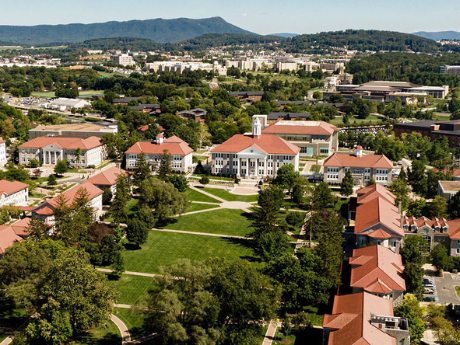
James Madison University builds rural community capacity through REACH initiative
James Madison University’s Rural Engagement and Capacity Hub (REACH) collaborate with communities to address community-identified needs, including access to health care, transportation services, affordable housing, and child care. More →

University of Wisconsin-Madison offers programming to help students from rural areas adjust to college life
The University of Wisconsin-Madison College for Rural Wisconsin uses peer advisors to help recruit students from rural areas and address barriers they face accessing higher education.More →
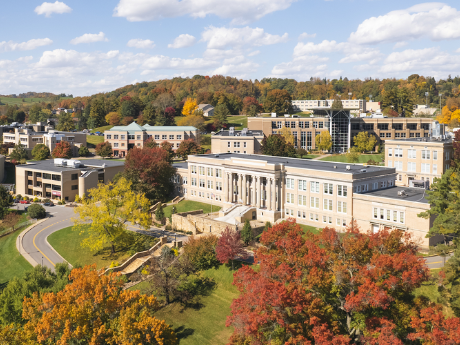
Fairmont State University students engage in research projects to address challenges facing Appalachian communities
The Appalachian Teaching Project involves students in research and work with community partners to develop projects to meet the needs of targeted communities by implementing local solutions. More →
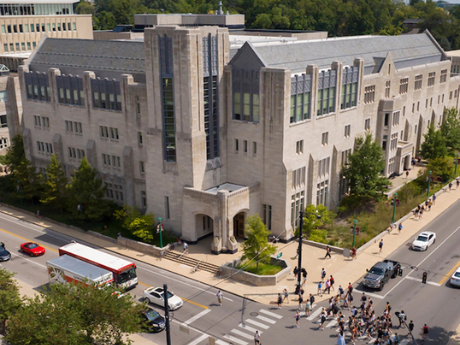
Indiana University’s Center for Rural Engagement & Kelley School of Business partner to address rural business needs
Through the Sustaining Hoosier Communities initiative, business students partner with rural communities to address a wide variety of rural business needs. | More →
Get involved: rural engagement
Join the Rural Serving Institutions Affinity Network to connect, collaborate, and share insights with faculty, staff, students, and community partners who work with rural communities. This ongoing collegial network is designed to help those who are passionate about the unique challenges and opportunities of serving rural communities come together for meaningful dialogue. Members gain access to a community of like-minded professionals who are committed to advancing education, community engagement, and social impact in rural areas. Sign up today!
More resources:
-
Check out The Aspen Institute’s Rural Community College Excellence Guide, which highlights strategies rural community colleges use to advance student success. This guide serves as a practical framework for rural colleges aiming to increase equitable outcomes for students.
-
Read the article, Exploring Cultural Dynamics and Tensions Within Service-Learning on Connected Nation to explore how institutions are enhancing broadband access in underserved communities, highlighting initiatives that address digital inequities through partnerships, digital literacy training, and infrastructure improvements. These programs are crucial for fostering digital inclusion, supporting education, and enabling economic opportunities in rural and low-income areas.
-
Watch "Community Engagement and Innovation in a Rural Setting," a 15-minute presentation that offers an overview of the capstone program at Eastern Oregon University, which requires students to engage with community partners to come up with solutions to local problems
These resources and more will be available in our Rural Engagement Resource Collection, which will be published on compact.org this spring. Stay tuned!


Join Campus Compact
To leverage the full benefits of Campus Compact at your institution, join our coalition. Campus Compact membership offers valuable information, powerful networks, and opportunities to work collectively with peers across the country.