By Rebecca Forsythe, 2026 Wicked Issues Fellow & PhD Student in Environmental Sociology and Inequality at Colorado State University
When Campus Compact announced that its next wicked issues series would focus on climate change and health, I knew 2 things: 1) climate change is THE wicked issue facing our global population today and 2) I needed to apply as Campus Compact’s Wicked Issues design fellow. As a 2-time alumna of Campus Compact’s VISTA program, turned PhD student and community-engaged scholar in environmental sociology, I knew Campus Compact and its partner institutions were situated in a unique position to help address this issue.
As Earth faces long-term temperature shifts and drastically changing weather patterns driven primarily by industrial human activities, we see disparate but devastating health impacts on populations across the globe, pointing to an exacerbating global health crisis. Health impacts due to air pollution, infectious diseases, extreme weather events, and malnutrition can include increased respiratory and cardiovascular diseases, health injuries due to extreme weather, death due to extreme heat...the list goes on. These health impacts vary depending on geographic location, level of industrial development, efforts to promote mitigation, along with more insidious variables like racial capitalism, legacies of colonial extraction, and gender inequality.
Arguably, those most at risk include climate-displaced populations, like indigenous folks from Oceania affected by sea level rise, residents of developing coastal nations like Bangladesh who may struggle with sufficient healthcare infrastructure, and those affected by wars due to scrambles for finite natural resources. According to the Institute for Economics and Peace, we may have over 1 billion people threatened to be displaced by 2050 due extreme weather events created by climate change and projected conflict and civil unrest based on these conditions.
But this information is not new. And as we know more about the effects of climate change, and SEE the effects happen in real time, our mental health and ability to cope with the impending risks puts us at an even greater health disadvantage. Climate grief, feelings of powerlessness, and contending with environmental injustice all play major roles in how we process this information, understand climate change as a risk to ourselves and our loved ones, and our efficacy for combatting this wicked issue at multiple scales.
Importantly, our higher education institutions play a pivotal role not just in identifying the health impacts of climate change, but cultivating important solutions for how we address, mitigate, and adapt to this issue going forward. Universities help facilitate research around these issues, inspiring students in the classroom to get creative, and establishing common collective goals as communities. In fact, social scientists have identified that one of the primary ways we may fight back against climate change and major actors embracing a business-as-usual mentality towards this issue is collective action. Collective action is known to mitigate feelings of helplessness and grief, and amplify collective causes for social change, and increase resilience of populations - all important for maintaining our mental health as we face increased climate risk and harm. Universities, as public convening spaces, can serve as catalysts for this kind of action, especially for climate activists seeking to help their local community address public health concerns.
Some hopeful advice from this year’s Wicked Issues series:
1. DO NOT WAIT FOR SOLUTIONS TO ACT: We have them - community organizations, youth activists, scientists, and stakeholders have identified a myriad of ways to address different contextual issues related to climate change and its impact on health. Specifically, pay attention to and participate in local politics, teach science communication to your students, and relay trusted messages OFTEN.
2. INCORPORATE ENVIRONMENTAL JUSTICE PRACTICES INTO YOUR RESEARCH PROCESSES: Recognize the role of researchers as conduits for the community, reject extractive data mining of accounts of community harm, allow participants to engage in data sovereignty, practice participatory justice through elder and community boards for your research projects, and collaboratively define your goals and objectives with communities you see as at risk of health inequalities and harm due to climate change.
3. WEAVE IN SOMATIC HEALING INTO YOUR TEACHING AND LEARNING PRACTICES. Programs like Healing the Healer, led by Dr. Angelica Walton, demonstrates the importance of utilizing non-dominant methods of teaching to help embody and process the knowledge we acquire and put into practice. Especially for educating students whose educational programs involve care work, adding elements of relational healing through community connection can enhance your teaching beyond an instructor as expert/student as novice dualism.
4. ADD RECIPROCITY AS STANDARD PRACTICE IN YOUR COMMUNITY ENGAGEMENT. Through practice, students learn through civic engagement that their engagement is not always reciprocal in nature - and at times can even lean towards extractive or self-serving. Remind students that engagement in civic, organizational, and community spaces should include reciprocal practices, such as dedicating time, labor, or energy towards enhancing your community, especially in the case you might be “taking” from others (this includes knowledge and experiences!!).
5. FAMILIARIZE YOURSELF AND YOUR COMMUNITY WITH CLIMATE HOPE AS A SOMATIC & APPLIED PRACTICE: Stay tuned to a reading list of books important for cultivating climate hope from our resource library to be published on Campus Compact’s website. Identify the intersection of your strengths, what brings you joy, and what needs to be done to address issues of climate change that are important to you and your community and do them. Find joy in resistance to the status quo, including cultivating space for creativity and artistic expression of your climate emotions and collective action. And importantly, take care of your community members when you can.
Lastly, Dr. Kyle X Hill reminded us in our second session on research & public problem solving: “Just be a good relative.”
Our Climate & Our Health in practice
Learn how Campus Compact members across the country are combating climate change and addressing health impacts and health inequities in their communities.
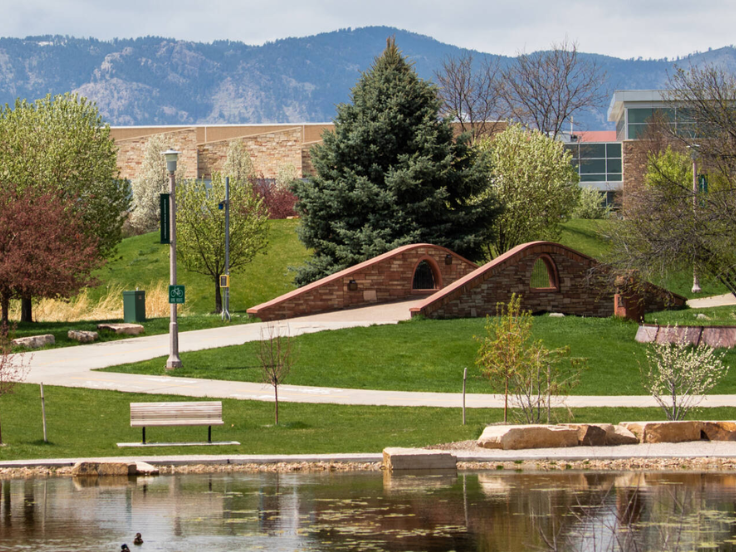
Colorado State University’s Center for Environmental Justice holds their first international environmental justice conference
This Spring, Colorado State University’s Center for Environmental Justice hosted their first Global Environmental Justice conference titled “Where Do We Grow from Here? Environmental Justice and the Politics of Hope in the Planetary Age.” Read more
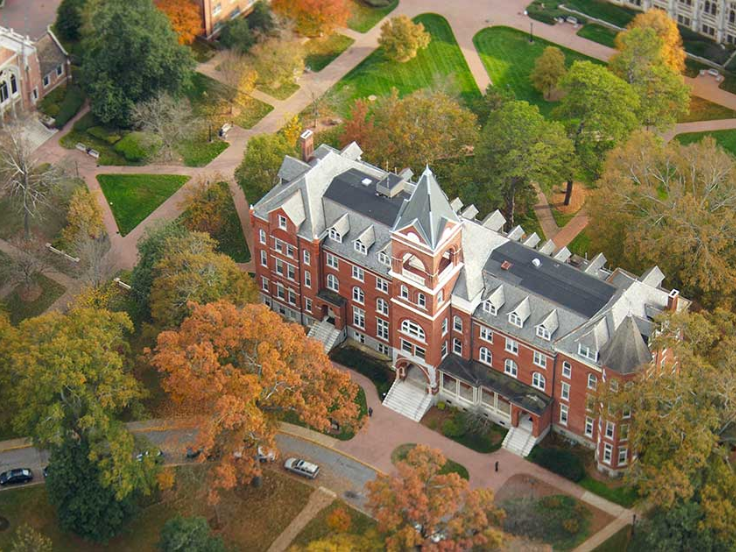
Agnes Scott College partners with the city of Decatur to mitigate the risks of extreme heat waves for residents using heat sensors.
Students at Agnes Scott college were recognized for their creation of a climate resilience plan in partnership with the City of Decatur, have been installing heat sensors around their campus and the community to help researchers analyze and mitigate risks of heat waves. Read more
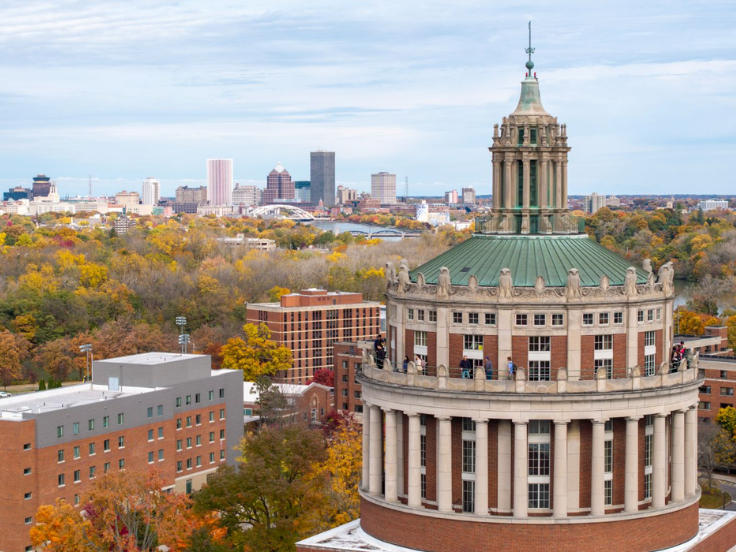
University of Rochester’s EchoLab uses an arts-centered framework to amplify community voices in relation to environmental justice
Work on Watershed Movements and the ADK Climate Project highlights the value of creative processing in catalyzing community members for collective action and social change.Learn more
Get involved: advocacy and policy work
-
Revisit this year’s Wicked Issues series. Session recordings and related resources are available on compact.org and the Campus Compact YouTube channel. Check out the playlist to revisit each session, find new resources, and catch up on anything you may have missed.
Plus, keep an eye out for opportunities to contribute resources to the forthcoming “Our Climate & Our Health” resource hub
-
Check out our Newman Civic Fellows’ work on community health and cultural engagement on the June 9th session of our Student Impact Summer Series. Students, including Emma Sellers (James Madison University), Wren Stoddard (Mount Wachusett Community College), Dhrubo Ahmed (University of Wisconsin - Green Bay), and Angela Medina (CUNY Kingsborough Community College) will feature their projects that promote belonging and holistic well-being for their communities.
-
Consider applying for The Carnegie Elective Classification for Sustainability. Applications are open now for The Carnegie elective classification for Sustainability, which was piloted in 2025, hosted by CU Boulder, and created in partnership with the Carnegie Foundation for the Advancement of Teaching and the American Council on Education (ACE). Their 2027 application cycle is open for institutions and universities seeking this designation.

Join Campus Compact
To leverage the full benefits of Campus Compact at your institution, join our coalition. Campus Compact membership offers valuable information, powerful networks, and opportunities to work collectively with peers across the country.