By Laura Weaver, Senior Manager, Strategic Initiatives & Alisa Jimenez, HEDEX Project Manager, Campus Compact
We know that colleges and universities are essential to ensuring that the next generation is equipped with the knowledge and skills necessary to be active and effective participants in our democracy. We know that it is no longer enough to simply ensure that every citizen is informed about how to exercise their constitutional right to vote. Instead, the vital skills today’s students need are those that enable them to talk across differences, bridge divides, and address public problems.
A 2024 survey of students conducted on behalf of SNF Dialogues revealed that 90% felt colleges and universities needed to do more to support free expression, offering insight into what they hope their institutions will prioritize.
As colleges and universities look to expand their democracy-related work, it can be helpful to map your efforts. Campus Compact and the American Association of Colleges & Universities (AAC&U) have developed the Democracy Inventory Guide and its accompanying Activity Rubric to support your efforts, which are crucial for planning and identifying where gaps for additional programming might exist.
We're also excited to be launching the Higher Education Democracy Exchange (HEDEX) platform this summer. HEDEX is a digital platform built by an innovative partnership which aggregates wide-reaching data, models, and programming that provide those in higher education and civic leaders with an easy-to-use, dynamic hub of resources.
This issue of Common Cause highlights the role that Campus Compact and our member institutions play in making our democracy more resilient, more engaging, and ultimately more effective at improving people’s lives.
Democratic engagement in practice
Learn about the variety of ways colleges and universities across the country are contributing to a stronger and more robust democracy

Salem State University students build their civic identities through Civic Fellowship program
Civic learning at Salem State prepares students with the knowledge, skills, values, and resources to effectively collaborate within their communities and in their workplaces. | More →

Howard University strengthens pro-democracy journalism with Center for Journalism & Democracy
The Center for Journalism & Democracy at Howard University is the first-of-its-kind academic center committed to strengthening historically-informed, pro-democracy journalism. | More →
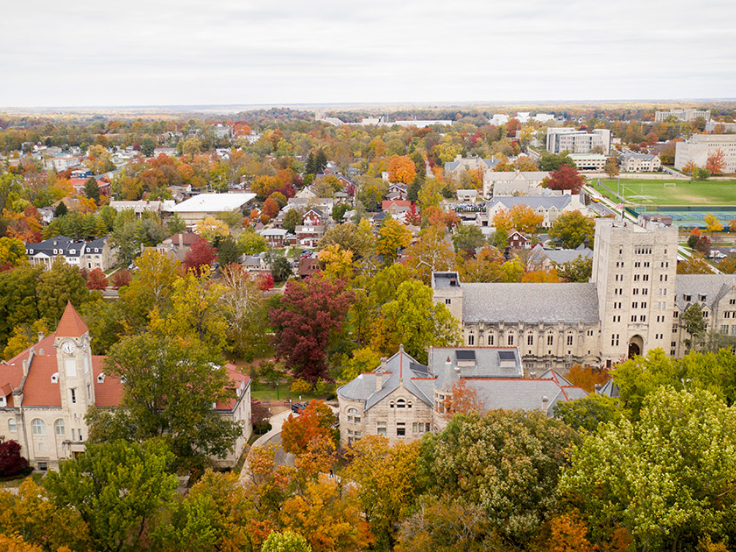
Indiana University Bloomington program offers interdisciplinary certificate to prepare for civic engagement
PACE combines academic study with hands-on learning to give students unique preparation for political and civic engagement. | More →
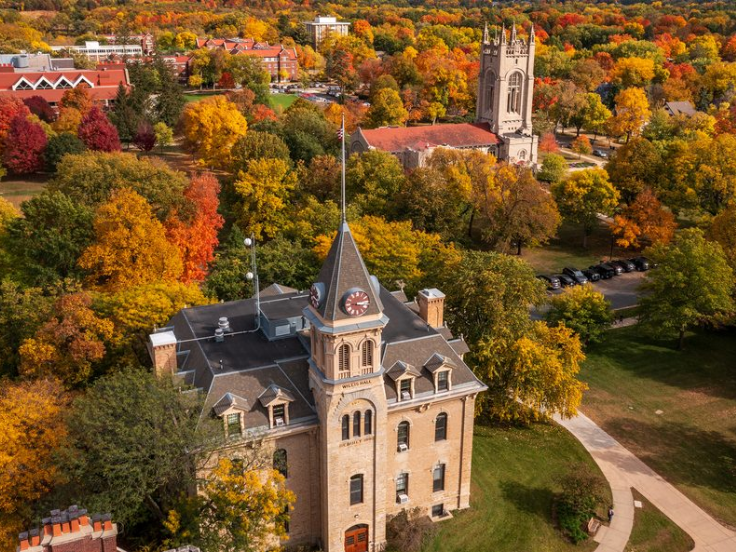
Carleton College offers public discourse-centered living-learning community
This course connects the classroom to the dorm room by creating a cohort dedicated to engaging in difficult conversations, helping reduce conflict between individuals and our community at large. | More →
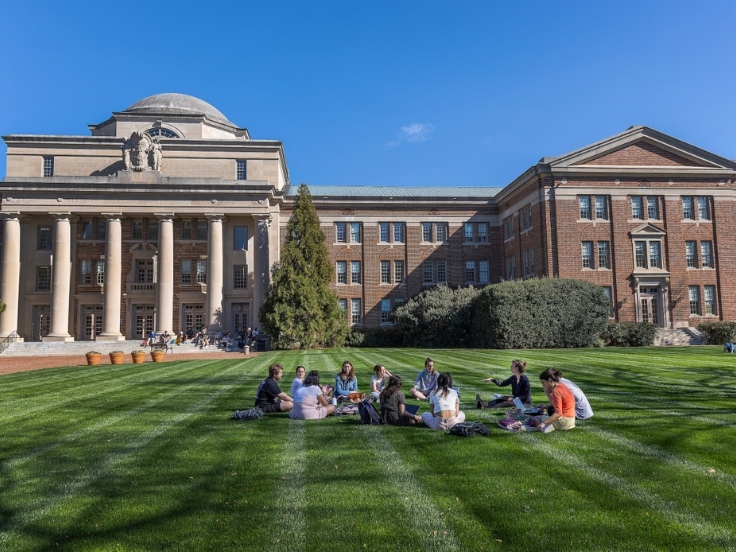
Davidson College trains faculty from across disciplines to incorporate deliberative practice into coursework
The purpose of this program is to create opportunities for students in diverse classroom settings to engage with one another on difficult issues on which they may disagree. | More →
Get involved: Be a part of a thriving democracy
-
Conduct an inventory of democratic engagement work on your campus. Campus Compact and AAC&U’s Democracy Inventory Guide helps campuses create a complete, internal map of democratic work, which is crucial for strategic planning, resource allocation, and identifying gaps.
-
Access the free online guide, Practicing Democracy: A Toolkit for Educating Civic Professionals by Nicholas V. Longo for practical approaches and strategies for developing students’ capacity to engage in collaborative, public problem solving.
-
Explore tools and resources that help build our abilities to engage across difference.
-
Campus Compact’s Better Discourse Guide directs you to tools, policies, and evidence-based best practices for inclusive, constructive dialogue
-
Greater Good Science Center’s Bridging Differences in Higher Education Playbook is a free resource that gathers a wide range of insights from researchers and examples from campuses nationwide. Also consider their upcoming Skill-Sharing Sessions.
-
The Nantucket Project’s Campus Model Handbook outlines their Courageous Conversations program, allowing anyone to access the resources developed by Simon Greer and colleagues.
-
The Listen First Project’s Bridging Divides Badging & Microcredential Program offers individual skill-building in bridging and leadership
-
Convergence Compass offers online learning that helps participants understand what drives division and teaches them evidence-based strategies for effective dialogue and collaborative problem-solving.
-
-
Consider ways your campus can contribute to transition planning for newly elected officials by revisiting last year’s webinar featuring the University of Maryland and Maryland’s Secretary of Appointments, How Your Institution can Support Community-Engaged Transition Plans for State and Local Elected Officials
-
Check out the new book, through the National Coalition for College Student Essential Needs (NCCSEN), a nationally coordinated effort centering students' essential needs. They hold regular meetings and run an active listserv, which you can join here.


Join Campus Compact
To leverage the full benefits of Campus Compact at your institution, join our coalition. Campus Compact membership offers valuable information, powerful networks, and opportunities to work collectively with peers across the country.