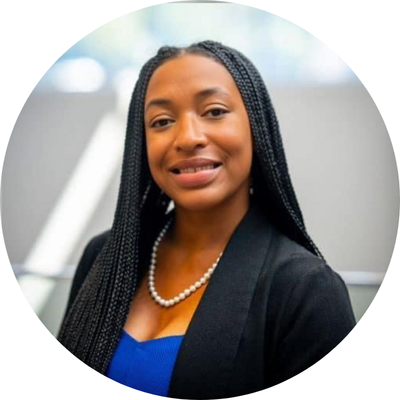
 By Toni Monette, Assistant Director of the Office of Engagement at the University of Nebraska and member of the Campus CoGenerate Steering Committee
“We who believe in freedom cannot rest until it comes for every generation. Not just freedom in the present, but freedom sustained together over time.”
— Ella Baker
The Campus CoGenerate Steering Committee — Campus Compact and CoGenerate's newest Affinity Network focused on cogenerational initiatives in higher ed — held its first in-person convening in September at Goucher College in Baltimore. The location of the two-day convening was symbolic of the work we would embark on during our time together. You could feel it in the air; it felt like real generational synergy.
We convened to discuss what resources, knowledge, partnerships, and buy-in will be needed to integrate transformative cogenerational learning, experiences, and spaces into higher education institutions. We introduced a new framework for thinking about Age-Friendly Universities, and proposed a Campus CoGenerate Affinity Network webinar series for those who are curious about or ready to scale their efforts in cogeneration. We encourage you to join the network and check out our upcoming sessions!
Reflections
Being in community with like-minded people who not only see but believe in the power of connection, belonging, and inclusion across ages is both powerful and healing. In reflecting on our in-person convening and hearing the backgrounds and stories of colleagues from across the country, each playing different roles within their institutions, I realized that the common thread of cogenerational work is humanity.
It dawned on me that authentic connection between olders and youngers is less about accommodation and more about feeling seen—sharing perspectives on history, community challenges, opportunities, and finding common purpose. As I spent time with colleagues, I felt the unique transformative power of generations coming together with a shared mission to make the world a better place.
It was also an opportunity to reflect on the crisis of higher education—with attacks on its value, its diverse populations, and its infrastructure. I believe that cogeneration can be an antidote to many of these challenges. Now more than ever, we need to build buy-in for this work. From senior leadership all the way to the students we serve, we can and should share the message that higher education can be reimagined in ways that invite older and younger generations to work, learn, and form strong, authentic, reciprocal relationships.
Together, we can collaborate in transformative ways that improve the economic standing of our students, their families, and our communities. Cogeneration can help amplify and deepen our institutions’ commitments to increasing enrollment, reducing brain drain, equipping both olders and youngers for the workforce, and developing global citizens.
Takeaways
A few takeaways from our convening that I will continue to reference as I move forward in this work:
- Cogeneration can happen wherever you are. Many of us serve in community-engaged professional roles within our institutions, where students and community members of different generations already naturally collaborate. Start by thinking about your own institutional role and how you can apply a cogenerational lens to your work—right where you are.
- Diverse perspectives make cogeneration sustainable. During a panel that included Goucher College staff, students, and older adults from the nearby Edenwald Retirement Community, participants honestly shared both positive and negative experiences with cogenerational classrooms and campus spaces. It reminded me that this work requires courage, and that multiple perspectives and stakeholders are essential for building cogenerational programs and learning that are sustainable and meaningful for everyone involved. Think about existing community partners, student organizations, and faculty/staff initiatives that can contribute to your cogenerational work.
- Whether you’re just curious or ready to scale, you’re in the right place. While university retirement communities are an aspirational model for this work, there are countless ways to bring older and younger together on campus. Find ways to uncover the hidden gems of cogeneration already happening on your campus and tell their stories of impact. Storytelling can inspire both campus and community to invest in this work long-term.
The University of Nebraska at Omaha is a regional public university with 14,000 students, many of whom are first-generation and come from the community in which the university is rooted. We continue to strive to be Omaha’s University, a learning environment fully immersed in and learning from all of its community’s assets, including olders and youngers across all demographics. I encourage you and your institution to also take the “Faithful Next Step”, a deliberate action, by bringing someone along on your cogeneration journey.
Together, we can inspire younger and older to come together for transformative, powerful experiences that foster innovation, forge new relationships, and reconnect the fabric of our communities – communities built on care and each person’s unique contributions to our collective learning and human experience.
Toni Monette is the Assistant Director of the Office of Engagement at the University of Nebraska at Omaha, where she oversees campus and community co-created partnerships, student engagement pipelines, and civic engagement