This article was written on behalf of the College of the Atlantic CCEC team by CCEC National Corps Leaders, based on extensive interviews with David Gibson, as well as the individual members.
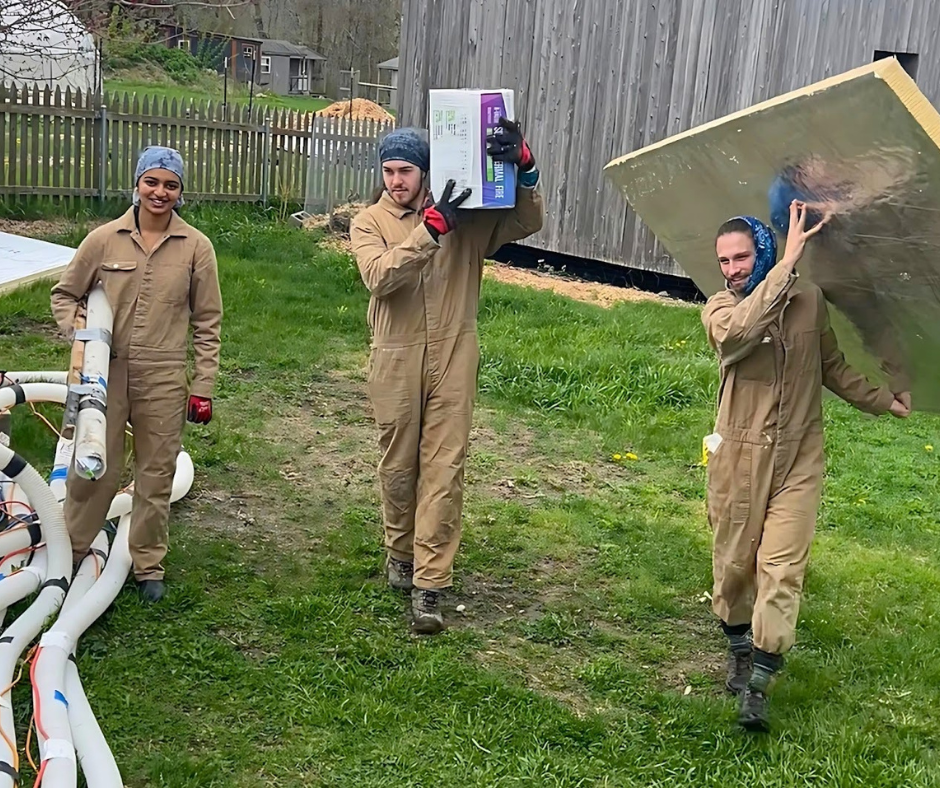
Located on Mount Desert Island in Bar Harbor, Maine, College of the Atlantic (COA) is home to those who want to explore the relationship between humans and the environment. Their focus on the study of our environment aims to apply thoughtful solutions that protect clean air, water, and land. Nestled in a chain of coastal islands, campus leaders sought to make cost-saving energy efficiency solutions more accessible to shoreside residents, often excluded from weatherization programs due to their location, with the support of students and volunteers.
In 2023, David Gibson, COA’s Director of Energy, sought to fulfill this vision by leveraging AmeriCorps to maximize the institution’s impact. David formerly served as an AmeriCorps VISTA member himself for EnviroLution in Reno, Nevada. He graduated into a position at the governor’s Office of Energy, where he helped establish the Nevada Clean Energy Corps and managed members as they completed outreach and energy audits. After joining College of the Atlantic’s Community Energy Center three and a half years ago, he knew that finding the right AmeriCorps program would help the campus conserve energy and save money by 2030.
For the 2023-2024 service year, the charming northeast campus partnered with Campus Compact EnviroCorps (CCEC) to host five AmeriCorps members who would advance and increase capacity for energy efficiency projects on its nearby islands. The inaugural cohort laid the groundwork for weatherization and insulation, establishing a practicum that would allow members to gain hands-on experience at a handful of old-fashioned summer cottages, spending most of their time at the Turrets building.
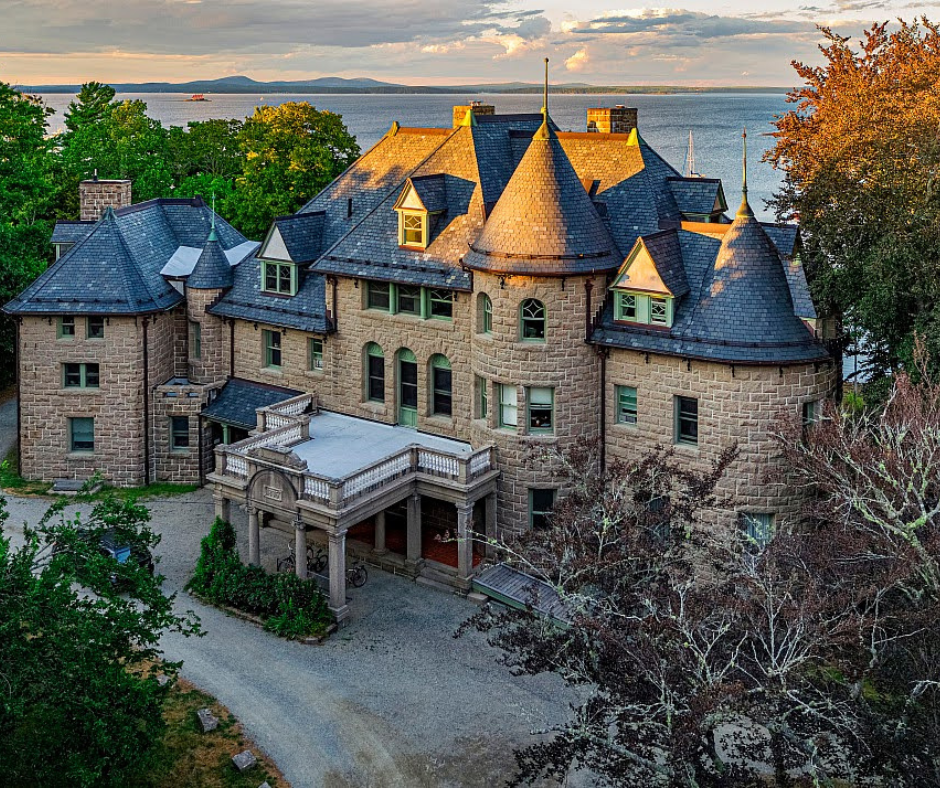
The Turrets building was built in the late 1800s, modeling New York cottage style architecture, and operates today as a 12,600 sq. ft. administrative property at COA. Bearing a large attic space and outdated infrastructure, it’s the perfect space for members to practice energy audits and identify opportunities for structural improvements. It also serves as a rite of passage and peer learning zone, as AmeriCorps members are introduced to the Disney-like castle at the beginning of their service terms. COA’s second team of AmeriCorps members didn’t let the building intimidate them and continued where the first cohort left off. This year’s members—Rashmi, Tyler, and Mabon—bonded over the unique challenges the old-time building presented. They studied the building and its use of heating oil to better understand how to properly insulate and update it to reduce energy usage, a key metric in all of their projects. Their improvements at the Turrets have been pivotal in saving about 2,000 gallons of heating oil per year, allowing them to inch closer to becoming certified Building Analyst Technicians while gaining credibility among local seaside residents. Weatherization updates are now halfway complete at the Turrets building thanks to their team’s commitment to energy efficiency.
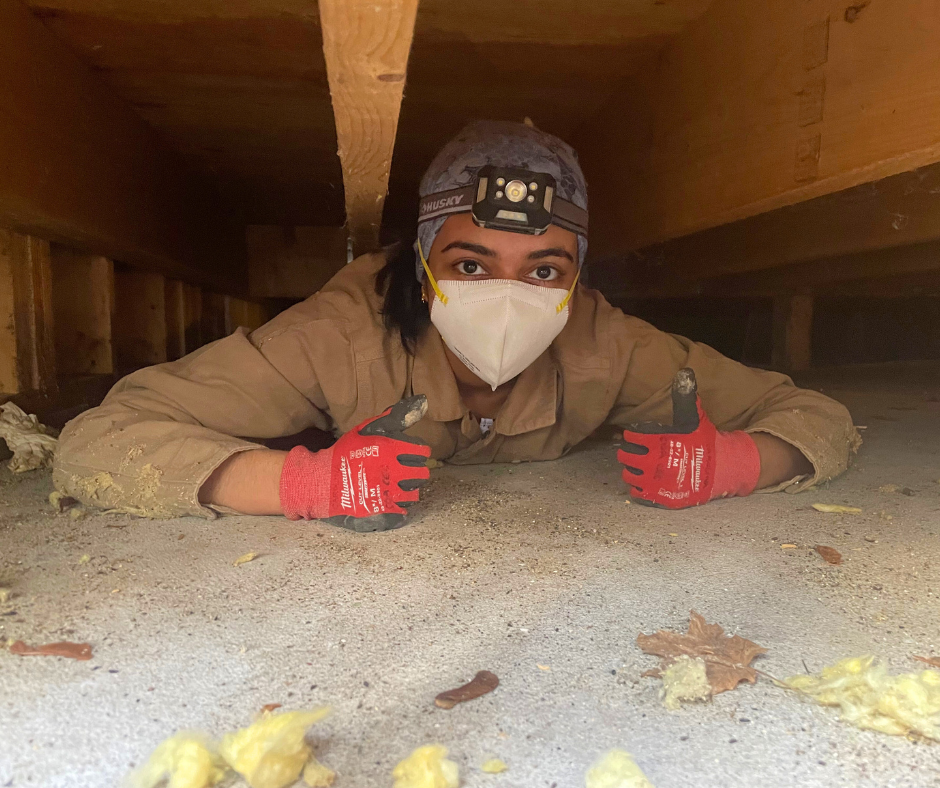
Members have also been preparing other cottages and residences on Great Cranberry Island and Mount Desert Island for COA’s Summer Energy Audit program. In partnership with environmental leaders on campus, members have been collaborating to perform comprehensive home energy audits, implement cost-saving energy efficiency solutions, and prime residences for weatherization and low-tech interventions. Members perform more in-depth hands-on tests, such as: blower door tests to check for air leakage; combustion tests to check for gas leaks; air quality monitoring before and after interventions; build and install window inserts; and share detailed reports with building occupants to educate them about opportunities for energy conservation. Most notably, they’ve applied vapor barriers and spray foam insulation at Beech Hill Farm, Davis Carriage House, and the Seafox residence to better equip these seasonal spaces while lining up energy audits for residents.
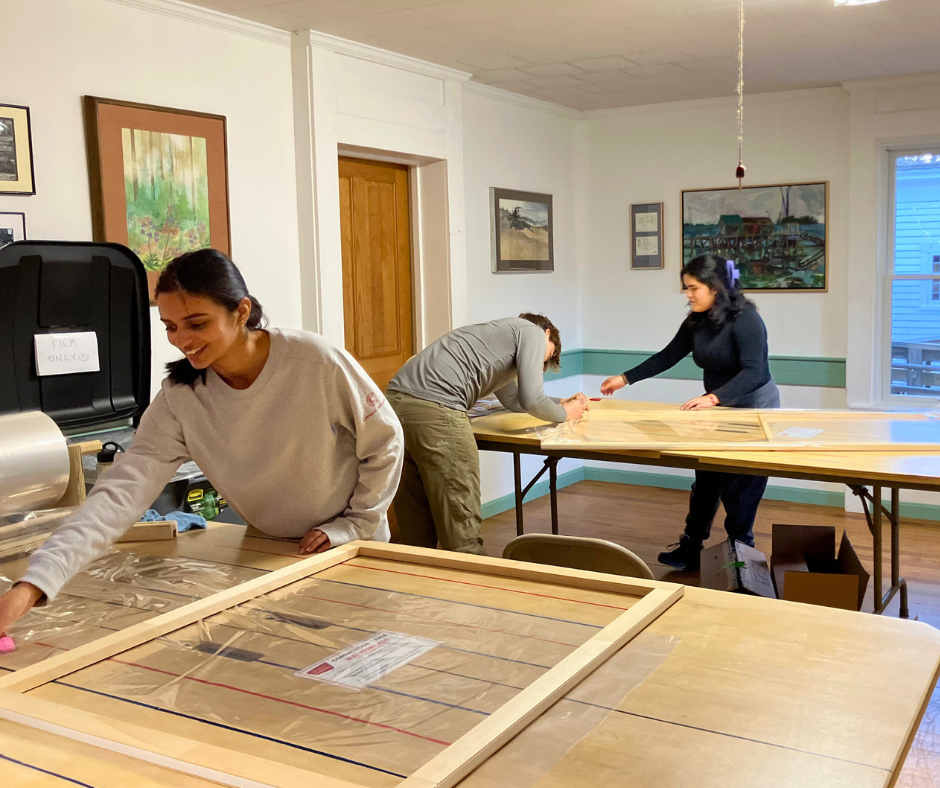
From a site supervisor's perspective, David can see the difference the team is making for coastal residents. Each energy assessment proves to be an essential part of increasing cost savings and comfort levels for households, in addition to identifying appliance issues that residents may not be aware of. Their comprehensive energy audits have reduced the energy burden for residents and even revealed life-threatening risks, such as gas ovens with high carbon monoxide levels and a propane leak that presented an explosion risk. Building on last year’s service activities, the EnviroCorps team has also continued to attend fairs at local elementary schools to engage with residents and community members. So far, they’ve handed out over 1,000 LED light bulbs, 400 low-flow shower heads, and other educational resources. Going above and beyond to show up for their community in this way has made the Summer Energy Audit program successful. The EnviroCorps team at COA received many messages of thanks from local families for their consistent dedication and presence.
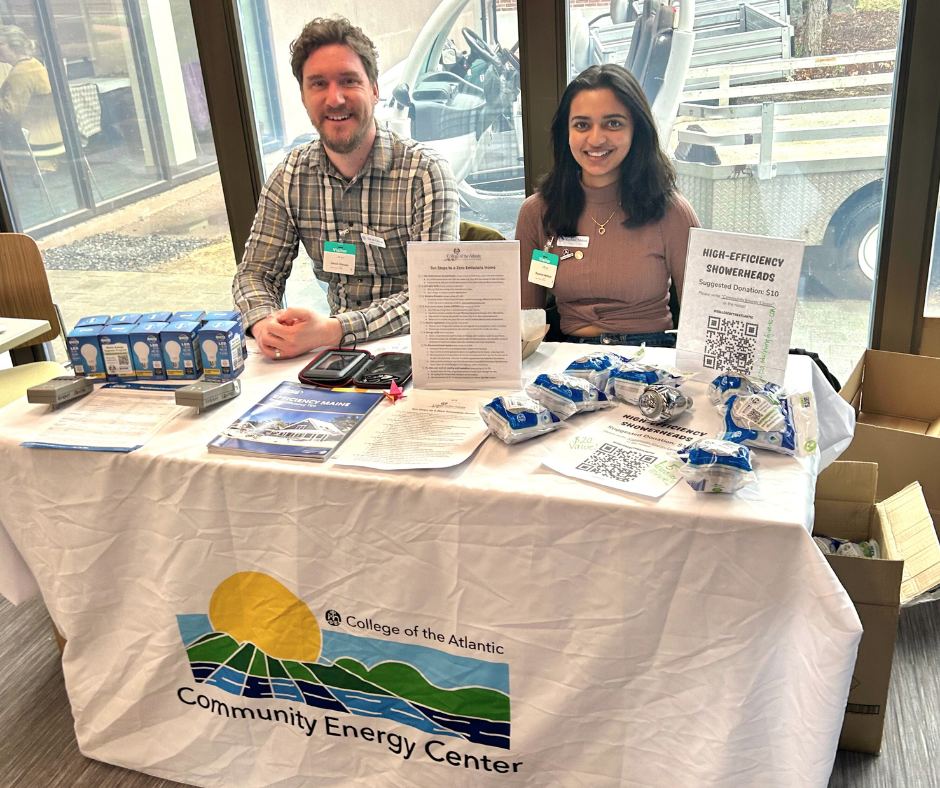
All their progress came to a crashing halt in January of this year, however, right as their team was building momentum. Their Community Energy Center had just completed a 500-page application to receive funding for building upgrades, but it was later cancelled. Their Summer Energy Audit Program was in jeopardy due to funding challenges and staff uncertainty. However, the team adapted. They worked with college leadership to find innovative funding sources that would ensure their summer program could continue. Friends of the college and the board also chipped in to support the program. The Sipayik Resilience Committee purchased light bulbs and agreed to share expenses, while other community partners also provided mutual support as cutbacks spread. For example, Wabanaki Youth in Science is engaging tribal youth for their summer program, and Efficiency Maine is pitching in to cover expenses while the EnviroCorps team awaits the next update about their grant application. Because of this additional community support, COA was able to hire a local community expert on weatherization to get their on-campus AmeriCorps projects back on track.
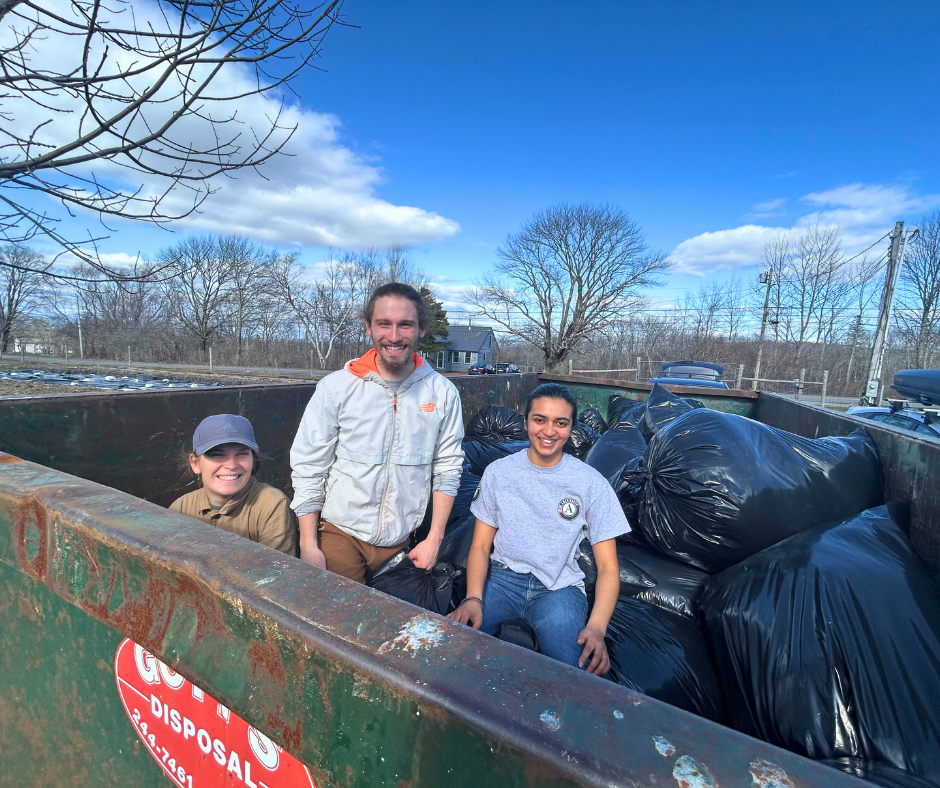
All of this support meant their cohort was able to continue their summer service projects as planned, and members have continued to flourish ever since. This summer, Tyler and Mabon —the newest members of the COA AmeriCorps team—will assist with energy efficiency projects on Great Cranberry Island. Tyler has already become a certified Building Analyst Technician, with Rashmi soon to follow. With almost everyone on the team being certified, their team plans to pair incoming AmeriCorps members with those who are already certified to keep the cycle of learning going. Host site supervisors David Gibson and Nicole Grohoski continue to partner with senior leaders at COA to find more funding solutions for their summer program, which started June 9th. Consistent financial backing would also mean the AmeriCorps team could form an installation crew to weatherize houses, and broaden their service area to include Mount Desert, Swans, and other islands along the coast.
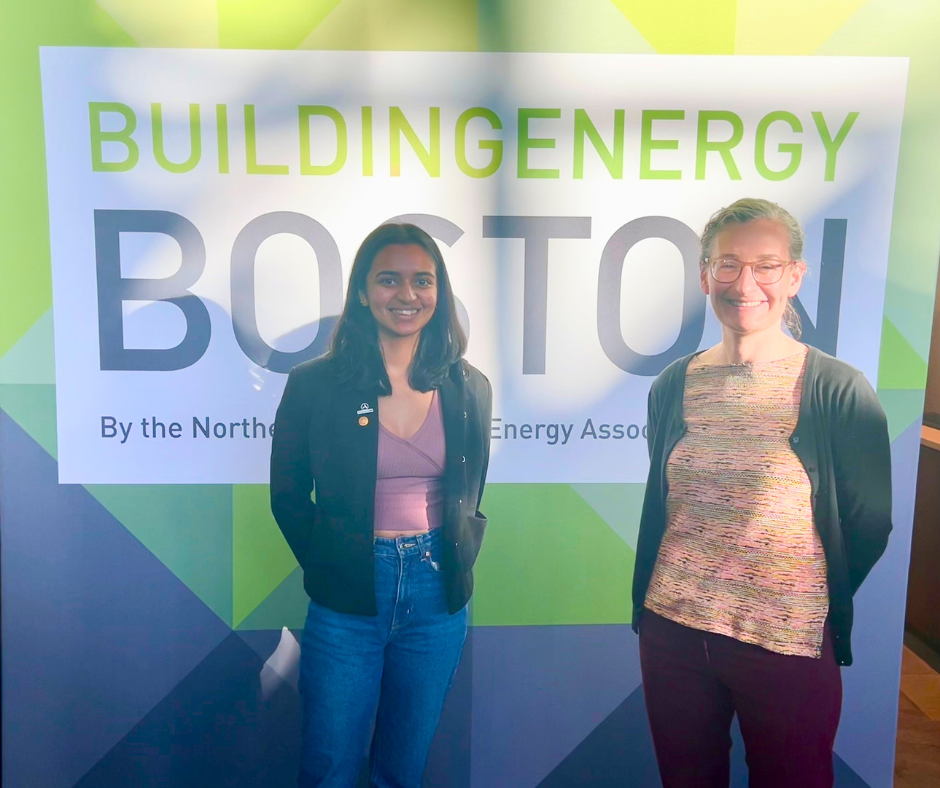
The unexpected obstacles COA’s EnviroCorps team faced made residents more aware of their program and its benefits. They’ve seen a growth in residents requesting to participate in their program, citing that their weatherization and low-tech interventions increase their overall comfort and cost savings while reducing their energy usage. Their waiting list for energy audits continues to grow: At least 40 new households have registered their interest in energy audits, and the team hopes to recruit 20-25 more this summer. Members plan to leverage this wave of interest to boost their recruitment efforts and ultimately expand their team for the upcoming 2025-2026 service year. With community donations coming in and support from partners like Wabanaki Youth in Science and Efficiency Maine, the future of the COA EnviroCorps program looks bright. Due to the uncertainty that threatened to cloud their service experience, the 2024-25 EnviroCorps cohort recognizes that their program would have been in jeopardy had it not been for the power of word of mouth and the outpouring of support by other Maine residents—what members refer to as the “Maine Way”—to get things done for their community.